밀폐공간 가스 측정은 작업 전에 산소와 유해가스 농도를 확인하고 적정공기인지 평가하는 사업주의 의무입니다. 적정공기는 산소 18% 이상 23.5% 미만, 이산화탄소 1.5% 미만, 일산화탄소 30 ppm 미만, 황화수소 10 ppm 미만인 공기입니다. 2025년 12월 1일 개정된 산업안전보건기준에 관한 규칙은…
{"blogList":{"posts":[{"id":27,"slug":"confined-space-gas-measurement-rules","title_ko":"밀폐공간 산소 및 유해가스 측정 기준과 기록 의무","title_en":"Confined Space Gas Testing Rules and Records","tags_ko":"[\"밀폐공간 질식\",\"가스 농도 측정\",\"적정공기\"]","tags_en":"[\"Confined Space Safety\",\"Gas Detection\",\"Atmospheric Testing\"]","category":"blog","post_language":"ko","i18n_enabled":1,"publication_status":"published","visibility":"public","published_at":"2026-08-29 00:00:00","is_pinned":0,"created_at":"2026-09-30 07:33:15","updated_at":"2026-10-20 02:47:38","content_snippet_ko":"*산업 운영 노트 특별편: 밀폐공간 가스 측정*\n\n밀폐공간 가스 측정은 작업 전에 산소와 유해가스 농도를 확인하고 적정공기인지 평가하는 사업주의 의무입니다. 적정공기는 산소 18% 이상 23.5% 미만, 이산화탄소 1.5% 미만, 일산화탄소 30 ppm 미만, 황화수소 10 ppm 미만인 공기입니다. 2025년 12월 1일 개정된 산업안전보건기준에 관한 규칙은 측정자에게 측정장비를 지급하도록 명시하고, 측정 및 평가 결과를 기록해 3년간 보존하는 의무를 신설했습니다.\n\n\u003e 2026년 8월 29일 기준으로 작성했습니다.\n\n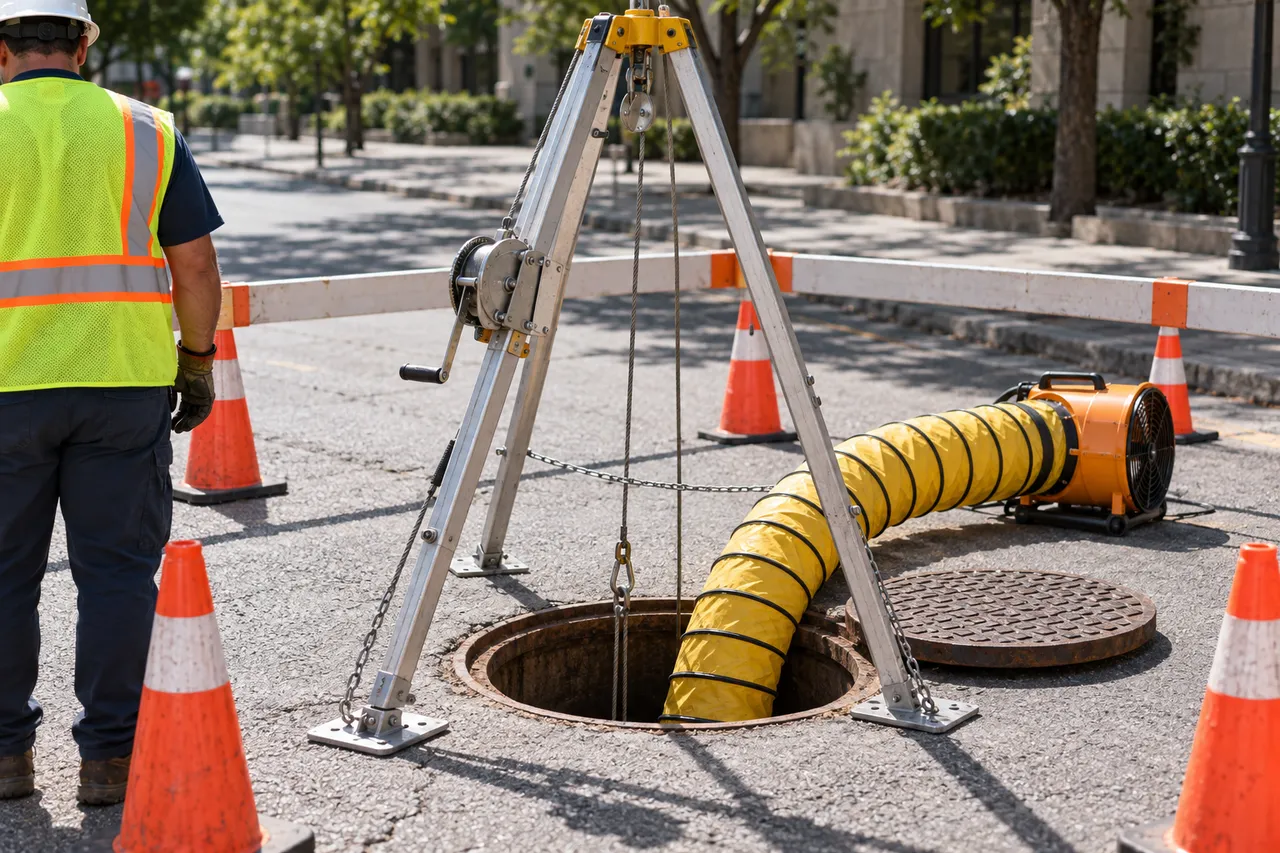\n\n*자료화면*\n\n## 여름철 밀폐공간 질식 위험\n\n고용노동부는 맨홀, 오폐수처리시설, 축사 등 밀폐공간의 질식사고가 매년 5월을 기점으로 급증해 여름철 내내 반복된다고 밝혔습니다([고용노동부 보도자료, 2026년 4월 29일](https://www.moel.go.kr/news/enews/report/enewsView.do?news_seq=19325)). 정부가 제시한 밀폐공간 3대 안전수칙은 가스농도 측정, 환기, 송기마스크나 공기호흡기 같은 보호구 착용입니다.\n\n고용노동부는 8월 2일 폭염 대응 긴급지시에서 기온이 오르면 오폐수 처리시설, 하수관로, 정화조, 저장용기 내부에서 미생물 번식과 부패로 이산화탄소와 황화수소 농도가 급격히 증가한다고 설명했습니다. 이에 따라 전국 지방정부 등에 긴급조치 외의 밀폐공간 질식위험 작업을 중단하도록 권고했습니다([고용노동부 보도자료, 2026년 8월 2일](https://www.moel.go.kr/news/enews/report/enewsView.do?news_seq=19732)).\n\n안전보건공단은 8월 10일 디클로로메탄 취급 작업장의 급성중독 위험에 주의를 요청했습니다. 디클로로메탄은 끓는점이 낮아 고온 환경에서 쉽게 휘발합니다. 다량 흡입하면 몸 안에서 일산화탄소를 만들어 혈액의 산소 운반을 방해하므로 질식을 유발할 수 있습니다. 2025년에는 디클로로메탄 세척조에서 꺼낸 제품의 이물질을 제거하던 작업자 1명이 급성중독으로 사망했습니다. 2024년에는 지하 기계실 방수공사에서 1명이 사망하고 2명이 다쳤습니다. 공단은 국소배기장치를 가동하고, 환기가 불충분한 공간에서는 급기팬과 배기팬으로 환기하며, 송기마스크 같은 호흡보호구를 착용하도록 안내했습니다([안전보건공단 보도자료, 2026년 8월 10일](https://www.moel.go.kr/news/enews/report/enewsView.do?news_seq=19762)).\n\n폭염기 작업 휴식 기준은 [폭염 작업 휴식시간 기준](/blog/summer-heat-illness-prevention/)에서 다루었습니다.\n\n## 맨홀 작업 사고 유형 및 사전 확인\n\n안전보건공단은 8월 6일 맨홀작업 안전가이","content_snippet_en":"*Industry Operations Note special edition: Confined Space Gas Testing*\n\nKorean rules require confined space gas testing before work: employers must measure oxygen and hazardous gas levels and confirm the air is acceptable. Acceptable air means oxygen at 18% or more and below 23.5%, carbon dioxide below 1.5%, carbon monoxide below 30 ppm, and hydrogen sulfide below 10 ppm. An amendment to the Occupational Safety and Health Standards Rules on December 1, 2025 made it explicit that testers must be issued measuring equipment and added a new duty to record test and evaluation results and keep them for three years.\n\n\u003e Current as of August 29, 2026.\n\n\n\n*Illustrative image*\n\n## Summer asphyxiation risk in confined spaces\n\nMOEL says asphyxiation accidents in confined spaces such as manholes, wastewater treatment facilities and livestock barns rise sharply every year from May and recur throughout the summer ([MOEL press release, April 29, 2026](https://www.moel.go.kr/news/enews/report/enewsView.do?news_seq=19325)). The government's three core rules for confined spaces are gas testing, ventilation, and protective equipment such as supplied-air respirators or self-contained breathing apparatus.\n\nIn an emergency heat directive on August 2, MOEL explained that as temperatures rise, microb"}],"total":1,"page":1,"limit":20,"selected_tag":"적정공기"}}