
Sensor, Robotics & Edge AI Platforms
Edge Physical AI that catches faults and runs robots.
The XyloZero sensor platform analyzes sensor signals together with operating data to detect equipment anomaly events early. The autonomy and robotics platform lets mobile robots, drones and robot arms work on their own, and the NPU and AI model optimization platform runs AI models on the NPU inside the device.


Platforms
Sensor, robotics and edge AI platforms
Sensor Platform
XyloZero sensor platform
Detects industrial equipment anomalies and fire precursors in the batteries of AGVs, AMRs, ESS and more.
Autonomy & Robotics Platform
Autonomy and robotics platform
Covers autonomous patrols by mobile robots and drones, manipulation learning for robot arms and autonomous port crane handling.
Edge AI Model Platform
NPU and AI model optimization platform
Quantizes LLMs, VLMs and speech models to edge NPU formats and runs them on the device with our own kernels and runtime.

Press
Press / IR
Press coverage, talks, awards and company news.
ReadCase Study
STS crane rotating equipment condition monitoring
Continuous anomaly monitoring of crane drivetrain signals that change with operating state and load.
ReadInsight
Field notes
Industrial safety, equipment diagnostics and field operating practices.
Read
Detection
What XyloZero detects
Equipment Condition
Changes in rotating and industrial equipment
Sound, vibration, temperature, magnetic field and other sensor signals.
Operating Context
How the equipment is running
XyloZero accounts for running, stopped and changing-load states to pick out real anomaly events.
Early Warning
Events that need inspection
Selected events go to the control room and alerts, and set inspection priorities.
How It Works
From collection to response
Signal collection
XyloZero collects sensor signals, PLC data and drive data on site.
Operating context
It analyzes operating state and site conditions on the same timeline as the signals.
Event selection
Edge AI selects the anomaly events that matter.
Response
Results go to the control room and alerts, and set inspection priorities.

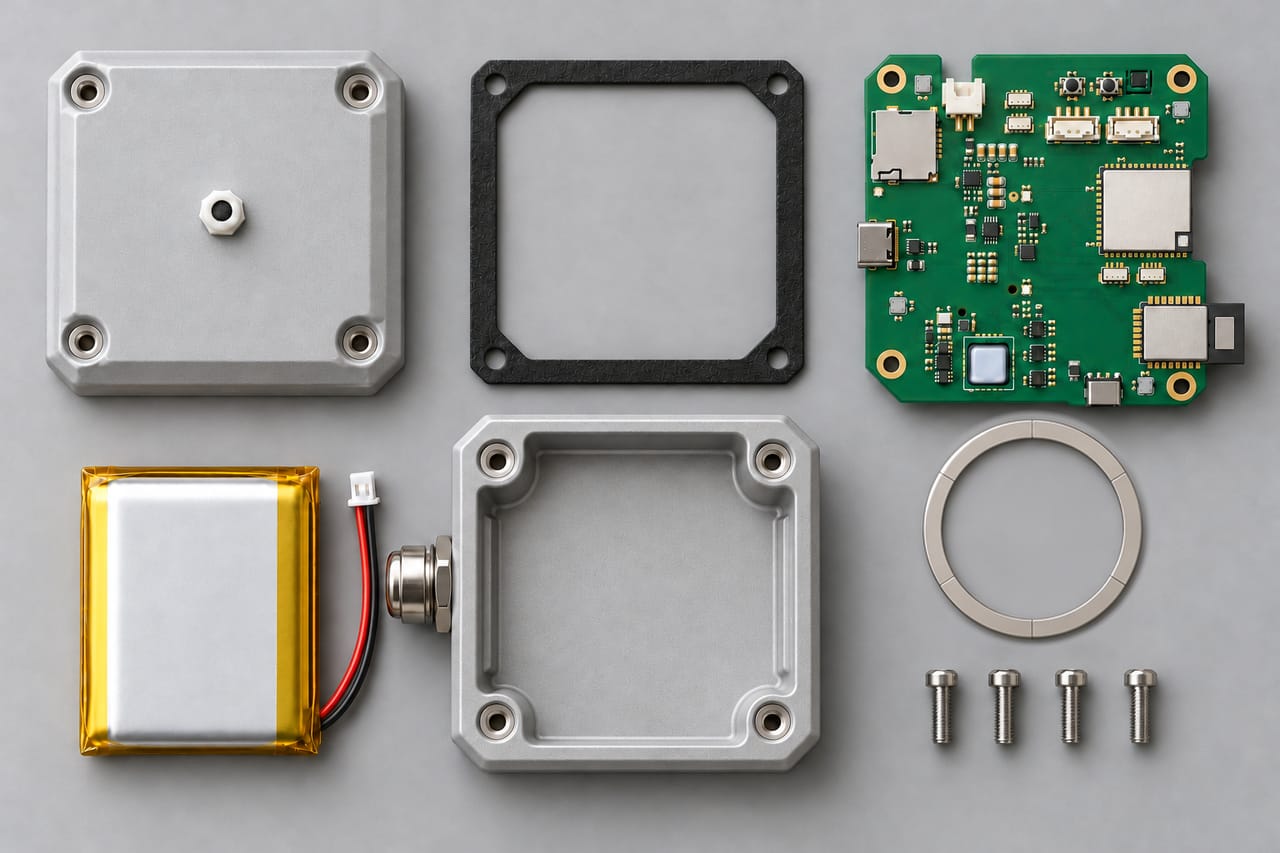
- Top cover
- Sealing gasket
- MEMS microphones
- Processing module
- Main board
- Battery
- Housing
- Mounting magnet
Autonomy & Robotics
Robots that see, decideand act on site.
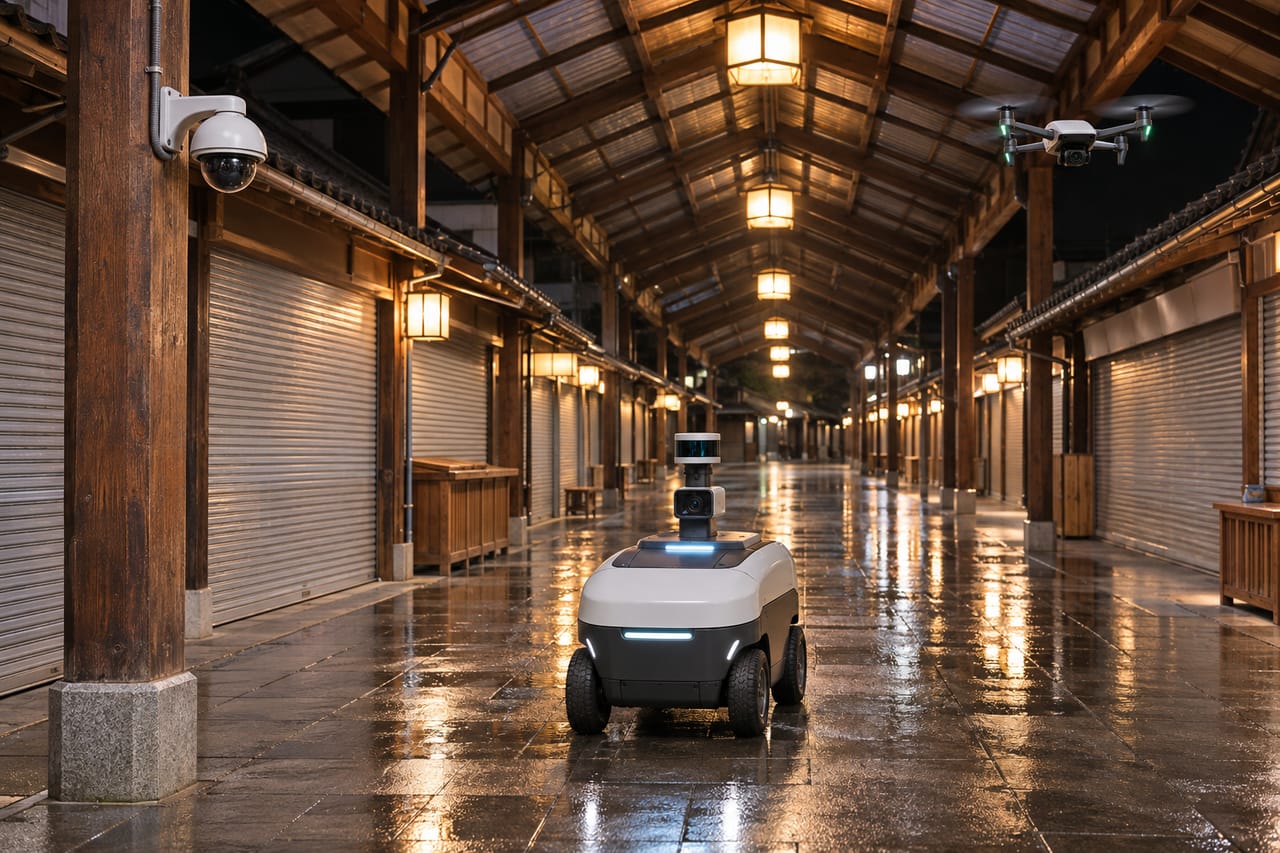
On-device AI built into robots and drones processes video, LiDAR, sound and location data. It detects anomalies on the device and alerts the operator right away.
Core technologies
Autonomous mobile robots
Wheeled mobile robots and drones patrol set routes and detect fire, smoke and falls.
VLA-based manipulation learning
Robot arms learn manipulation policies from demonstrations recorded by teleoperation.
Autonomous port crane handling
We are developing crane motion learning from data collected in a port digital twin.

- Patrol robot
- LiDAR and camera
- Drone
- Fixed CCTV
Edge NPU & AI Models
AI models that runon the NPU in the device.
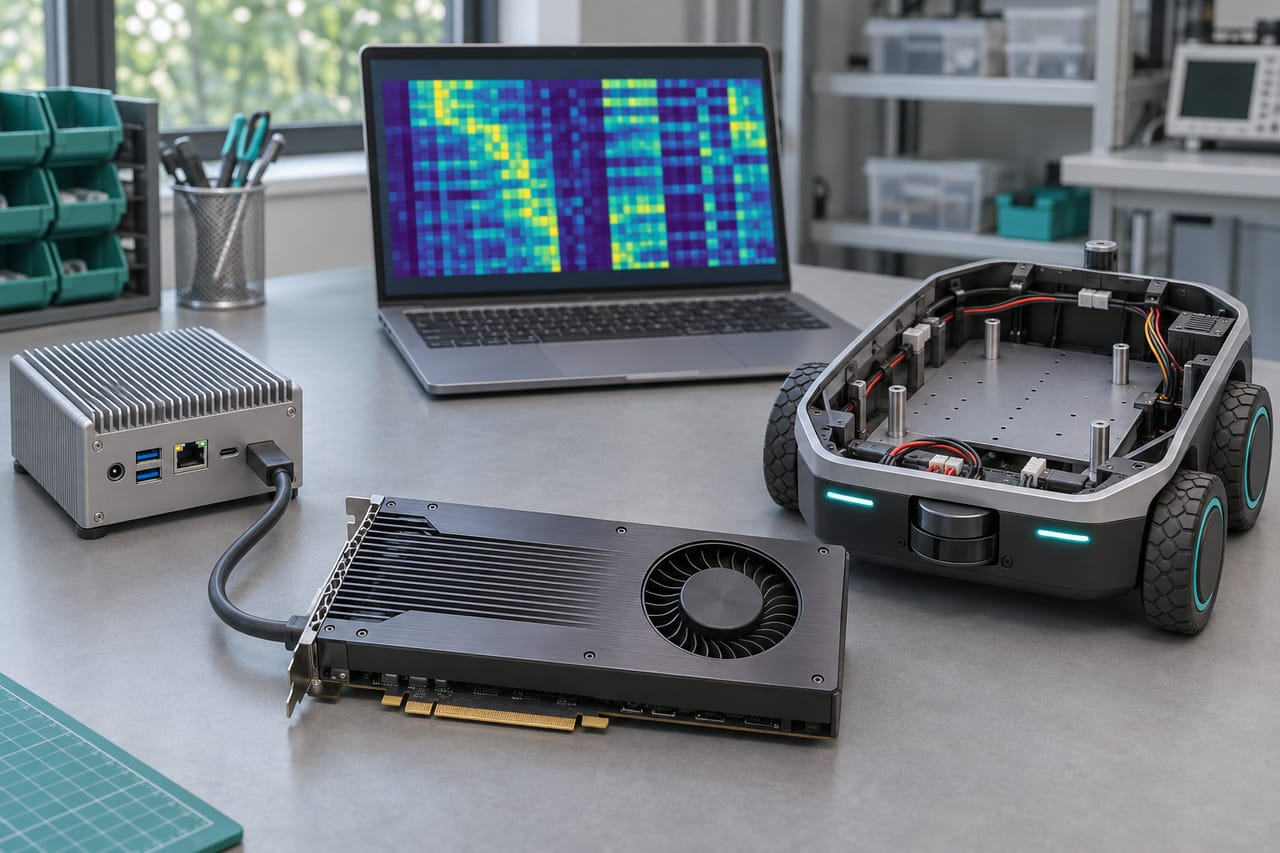
We quantize open LLMs, VLMs and speech models to the NPU's block floating-point formats. Our own kernels and runtime run inference inside robots and edge devices, without a round trip to the cloud.
Core technologies
Block floating-point quantization
We choose precision per layer to fit device memory, and each model card reports accuracy against the original model.
NPU kernels
Decode matmuls, the output head, MoE and linear attention run on the NPU.
On-device runtime
Embeddings, the output head and the draft model run on the NPU; the host only streams weights, tokenizes and schedules.
Open models
We publish models for the Tensix NPU, plus GGUF and MLX quantizations, on Hugging Face.

- Host PC
- NPU accelerator
- Robot compute bay
- Weight heat map
Industry Applications
Industries
STS cranes, rotating equipment
Ports & logistics
Signals from rotating equipment in crane machinery rooms, analyzed with PLC operating data.
Equipment
Motors, Bearings, Gearboxes, Brakes, Conveyors, Rotating equipment
Case study
STS crane rotating equipment condition monitoringTurbines, generators, coal handling
Power & plants
Signals from power plant equipment with widely varying loads and operating conditions.
Equipment
Gas turbines, Generators, Conveyors, Pumps, Fans, Coal handling equipment
Case study
Continuous acoustic monitoring of coal handling equipmentProduction equipment, AGVs and AMRs
Manufacturing
Covers both production equipment anomalies and battery safety for AGVs and AMRs.
Equipment
Motors, Pumps, Compressors, Fans, Production equipment, AGVs and AMRs
Case study
Acoustic validation of Li-ion battery fire precursors
XyloZero Battery Safety
Catch the early signsof a Li-ion battery fire.
Before thermal runaway, a lithium-ion battery can show subtle changes in sound and ultrasound, not just in temperature. XyloZero analyzes these abnormal sound events to support early fire warnings.
Detect → Verify → Alert
- Sense battery signals
- Select abnormal events
- Alert the control room
- Respond on site
Where it applies
- AGVs
- AMRs
- Electrified prime movers
- ESS
- Battery packs

- XyloZero sensor node
- Main control box
Proven in the Field
Case studies

Ports & Logistics
STS crane rotating equipment condition monitoring
- Problem
- Continuous anomaly monitoring of crane drivetrain signals that change with operating state and load.
- Deployment
- Sound, vibration and temperature sensor nodes installed around the drivetrain
- Result
- Continuous drivetrain condition and anomaly monitoring

Power & Plants
Continuous acoustic monitoring of coal handling equipment
- Problem
- Sound from a fuel conveyor drive, collected without the gaps that inspection rounds leave.
- Deployment
- Sensor node mounted on the upper belt conveyor drive
- Result
- Continuous collection without external power throughout the pilot

Manufacturing & Batteries
Acoustic validation of Li-ion battery fire precursors
- Problem
- A microphone array captured sound changes that appear before a battery's gas release is confirmed.
- Deployment
- Multichannel microphone array placed around the test battery
- Result
- Broadband sound rise caught before confirmed gas release in every analyzable test

Shipbuilding & Manufacturing
Shipyard welding equipment and crane condition monitoring
- Problem
- Operating states and types of welding equipment and a crane, estimated from attached sensor nodes alone, without any operating-signal link.
- Deployment
- Several sensor nodes per machine on welding gear drives and in the crane machinery room
- Result
- Operating state and work schedule estimated per machine without operating signals


AI for Operators
AI that works alongside operators
XyloZero gives field workers the data they need for inspection, maintenance and operating decisions.
- Less repetitive monitoring
- Inspection priorities based on anomaly events
- Fewer trips into hazardous areas
- Field experience combined with data
Rollout
From PoC to operations
Scope definition
Define the site, equipment, available data and operating problem.
PoC and validation
Collect data and validate anomaly events.
Installation and integration
Install XyloZero and connect it to PLC and control systems.
Operation and support
Device management, AI model updates and maintenance.
Scaling up
Extend from one machine to the same type of equipment, the whole site and other sites.
Insights
Latest insights
Field notes
Blog
Technology
Technical notes
News & IR
Press / IR
Answers
FAQ