

2026 Korea Safety Inspection Expansion: Start With the Equipment Register
Industry Operations Note 1 of 6: safety inspections and equipment registers
On June 26, 2026, Korea added certain mixers, crushers, and grinders meeting specified design and size criteria to its mandatory safety inspection program. Update the equipment register before requesting inspections. Machine names alone do not establish coverage or deadlines.
This article reflects the Enforcement Decree and Enforcement Rule of the Occupational Safety and Health Act and the related Ministry notice in force as of July 12, 2026. Confirm coverage and deadlines against the current text and the facts for each machine.
The decree change and the inspection cycle
Article 78 of the Enforcement Decree now lists certain mixers, crushers, and grinders among machinery subject to safety inspection. Sharing a name with a covered category does not make a machine covered; Annex 1 of the Safety Inspection Procedure Notice defines the applicable designs, size criteria, and exclusions.
Article 126 of the Enforcement Rule sets the schedule: a first inspection within three years of installation, then one every two years. Equipment already installed when the change took effect follows the separate first-inspection schedule in Article 4 of the supplementary provisions, so an installation date alone does not settle the deadline.
| Information to confirm | Why it matters |
|---|---|
| Equipment type and use | Compare it with the designs, size criteria, and exclusions in Annex 1. |
| Manufacturer and serial number | Separates machines that share similar names. |
| Installation date and operating status | Supports the first-inspection and transition review. |
| Location and responsible team | Identifies who can prepare and verify the machine. |
| Inspection and maintenance history | Keeps statutory records separate from internal work. |
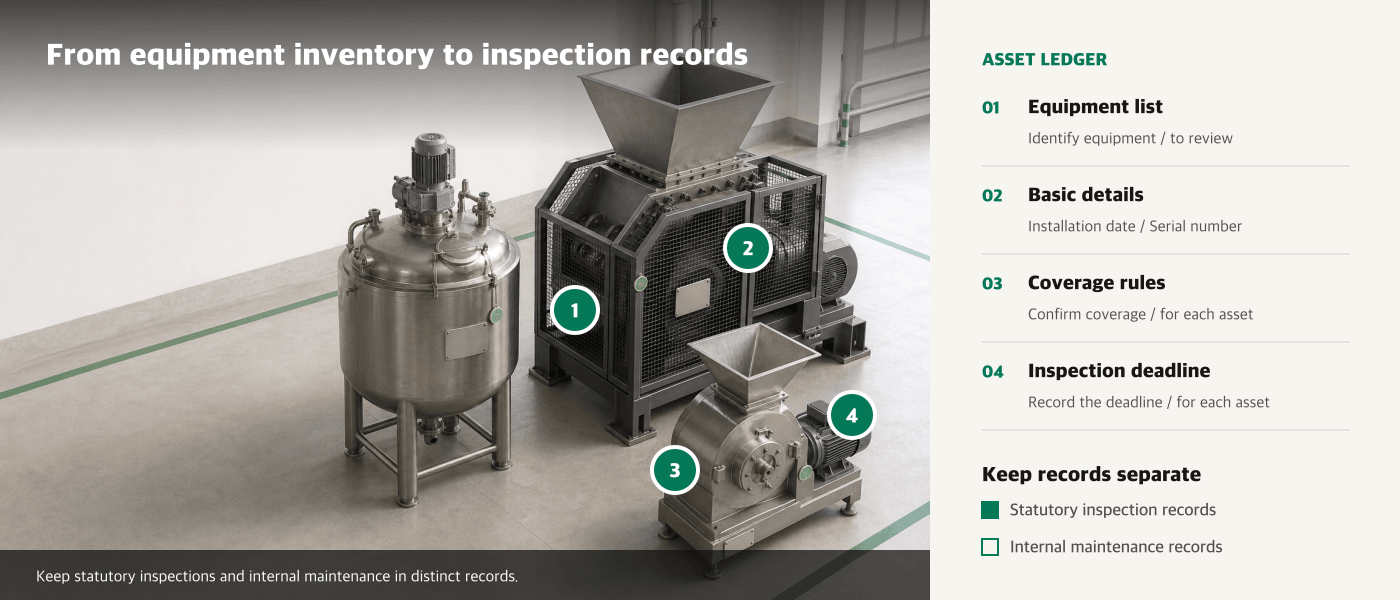
Figure 1. A practical path from field inventory to deadlines and separate records.
Differences between the register and installed equipment
In an established plant, the asset register may not match the installed equipment. Lines may have moved, standby equipment may have returned to service, or operators may use names absent from the register. A document-only review can miss these differences.
Production, maintenance, and safety staff should update the register together on site, checking nameplates, serial numbers, and locations against it. Record inactive equipment as stored, planned for disposal, or expected to return to service.
One deadline per machine
A single inspection date for all newly covered machines overlooks differences in installation history and transition rules. Check the applicable provision for each machine and record the deadline, the provision consulted, the organization contacted, and the response date. If coverage is unclear, retain the machine in the review and ask the inspection body or responsible authority before excluding it.
Statutory records and maintenance records
A safety inspection checks conformity against statutory criteria; routine checks and preventive maintenance manage condition as an operating process. Mixed into one date field, the two become indistinguishable. Share the equipment identity, then store the statutory inspection date, inspection body, result, and report location apart from internal findings, corrective work, and maintenance history. Compliance reviews and maintenance planning each get a clean record to work from.
Before booking the inspection
- Recheck equipment that may fall within Annex 1 against the physical floor.
- Confirm each machine's serial number and installation date, and match them to the register's location.
- Mark whether equipment is operating, stored, or planned for disposal.
- Record each machine's transition provision, deadline, and the basis for both.
- Keep statutory inspection records separate from internal checks and maintenance.
Use this register to set inspection dates and to prepare later condition-monitoring work.