

Edge Computing for OT/IT Integration: Where Factory Data Should Be Processed
Industry Operations Note 5 of 6: edge, OT, and IT integration
Choose where to process and store equipment data according to latency and response requirements, network conditions, retention needs, and access control. Use these requirements to divide processing between field devices and central systems.
NIST describes edge computing as placing processing resources between the data source and centralized services. An edge node can process, analyze, and act on data rather than merely forward it. So the useful starting point is not the device catalog but the role the edge will play.
Roles across the three data layers
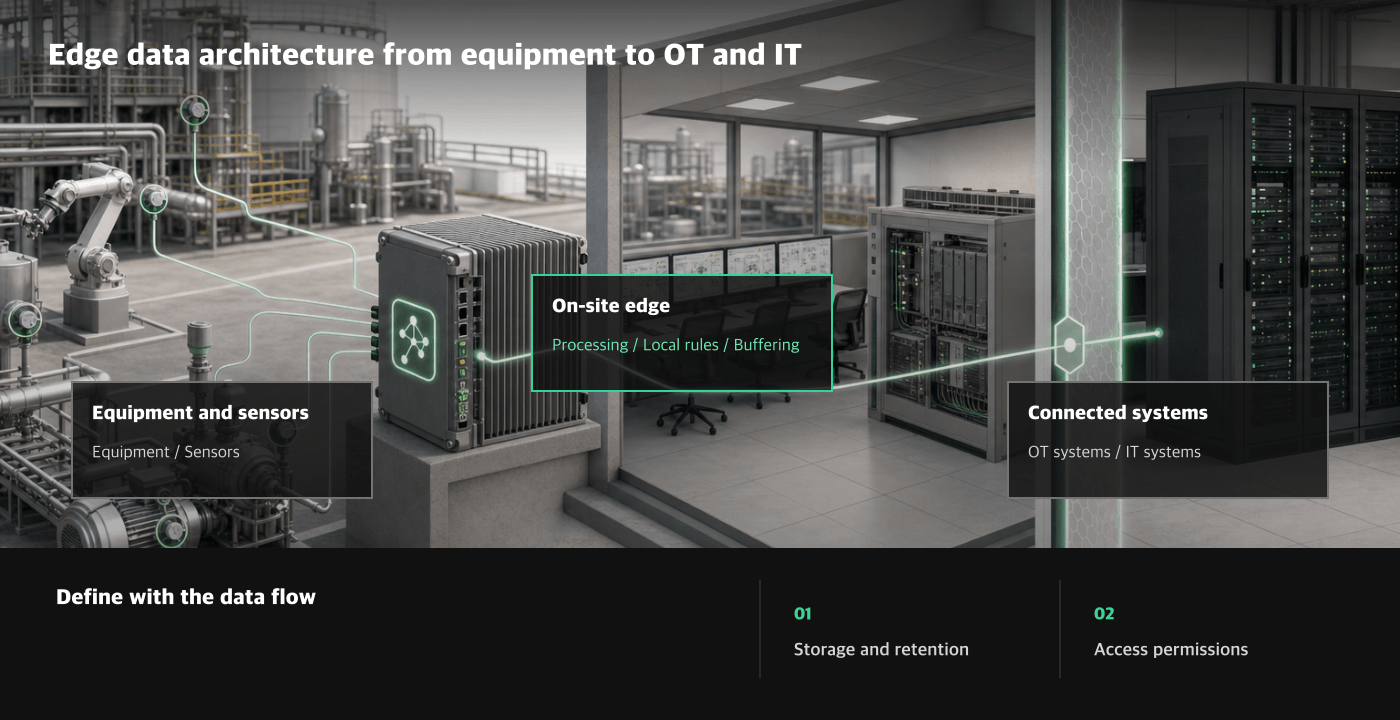
Figure 1. Separate data generation, field processing, and operational systems while designing retention and access at the same time.
| Layer | Typical role | Design question |
|---|---|---|
| Equipment and sensors | Generate raw signals and operating context | Which asset and condition produced the data? |
| Field edge | Preprocess, make local decisions, buffer data | What must continue when connectivity is lost? |
| OT and IT systems | Support supervision, retain history, link maintenance records, and analyze trends | Who reviews the result and takes action? |
Process immediate field alerts at the edge and collect information for long-term trends and maintenance history centrally. Decide whether to transmit raw data, summaries, or events for each use case.
Outage handling and central history
Edge processing avoids a network round trip and can buffer data during an interruption for transmission after recovery. Define which data to retain, for how long, and how to identify gaps and duplicates before relying on this behavior.
Central systems compare asset histories and connect them to maintenance work. Decide whether to store edge results alone or raw signals as well, and set retention periods according to use. Keeping all data indefinitely increases cost and makes access harder to control.
Authentication and access in closed networks
OT environments prioritize safety, reliability, and continuous operation. Review production impact and recovery plans before a security update or network change. Authentication, access logs, and change control are still required in a closed network.
Define the data exchanged between OT and IT and who manages the connection. Manage device and service inventories, identities and permissions, communication paths, change approvals, and recovery procedures together. Apply the same requirements when adding a monitoring connection.
Keep the asset identity attached
Without the source equipment's identity, analysis results cannot guide field action. Keep the asset identifier, sensor position, collection time, processing version, and operating state together. Align edge and central clocks to preserve the correct event order.
Access and retention are part of the same design. Define what the operations, maintenance, and data teams may view and who may change settings, then set retention for raw signals, alerts, and maintenance records by type and purpose.
Decisions to make before picking hardware
- The boundary between decisions made in the field and analysis done centrally
- Whether each use case ships raw data, summaries, or events
- What keeps working through a network loss, and how gaps and duplicates are reconciled after recovery
- The rule that keeps asset identity, sensor position, time, and processing version attached
- Communication paths and access rights across OT and IT, with owners for changes and recovery
- A purpose and retention period for each data type
Define field and central responsibilities before choosing a tool. XyloZero facility monitoring processes acoustic, vibration, and environmental signals at the field gateway and sends results to existing PLC and SCADA systems, separating field processing from central records.