Skip to content

Preventing Falls on Korean Construction Sites: 2025 Data and the First Ruling

Workplace Safety Field Guide special edition: construction falls

Korea's provisional 2025 count of investigated workplace accident deaths was 605, and construction accounted for the most at 286. By accident type, falls rose from the prior year. That is the core of the Ministry of Employment and Labor's provisional statistics.

This guide was written against the MOEL provisional 2025 fatality statistics published as of July 13, 2026, and the laws in force on that date.

The 2025 numbers: construction still near half

In the ministry's provisional figures, investigated accident deaths reached 605 (573 incidents), up 16 (2.7%) from 589 the year before. Construction led by industry, while manufacturing fell (MOEL press release).

Segment Deaths Incidents
Total 605 573
Construction 286 267
Manufacturing 158 150
Other industries 161 156

By type, falls, collisions, and collapses increased while caught-in and struck-by deaths decreased. The exact per-type counts are in the statistical annex attached to the release, so check the source when you need the detail.

The scene the first ruling left behind: a fifth-floor opening and a 94.2 kg rebar bundle

The accident behind the first Serious Accidents Act conviction was also a construction fall. At a nursing-hospital extension site, a subcontracted worker fell to his death while moving a 94.2 kg rebar bundle at a fifth-floor opening, and the court handed the general contractor's representative a suspended prison sentence (Legal Times). The legal analysis is in the field-guide special edition Korea's First Serious Accidents Act Conviction: Reading the Article 4 Duties. Here we look at the scene itself.

The accident stacked the typical conditions of a construction fall: an opening at height, a load too heavy for one person, and a subcontracting structure. That is why fall-prevention checks cannot stop at equipment such as guardrails and harnesses; they have to cover how the work is arranged and staffed.

A field inspection order: equipment, work, people

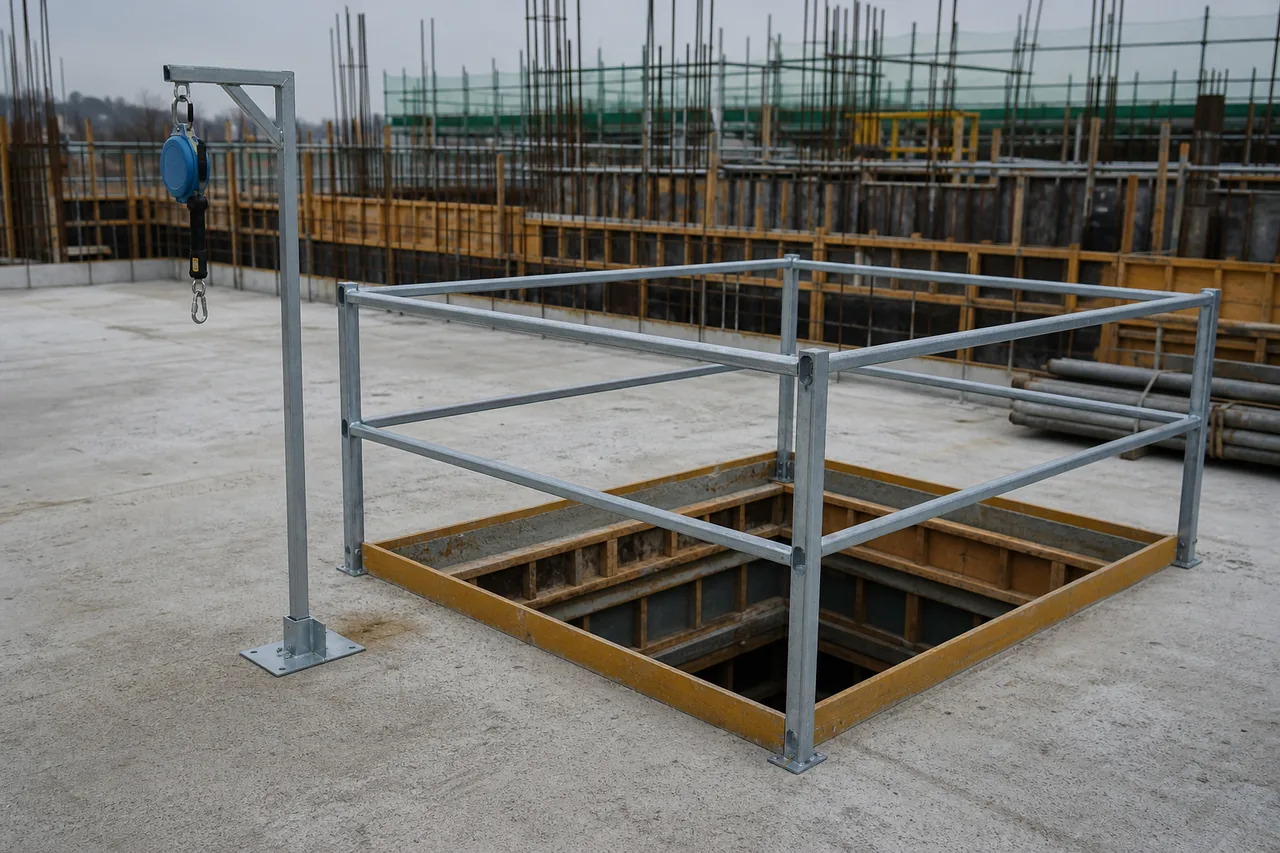
  • Check daily that openings and edges actually have covers or guardrails in place, and that none were removed for convenience.
  • Confirm work platforms and walkways are fixed, and that no stored material forces a detour.
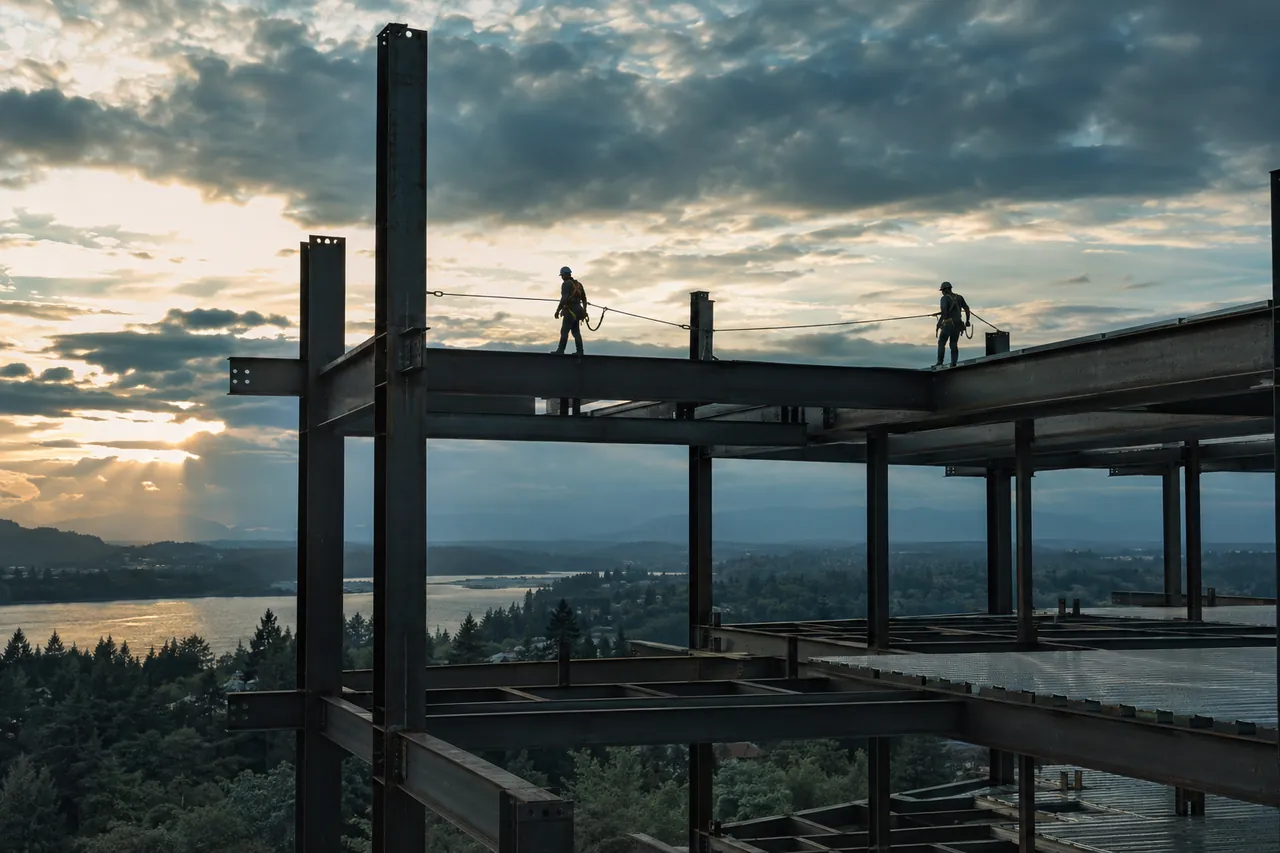
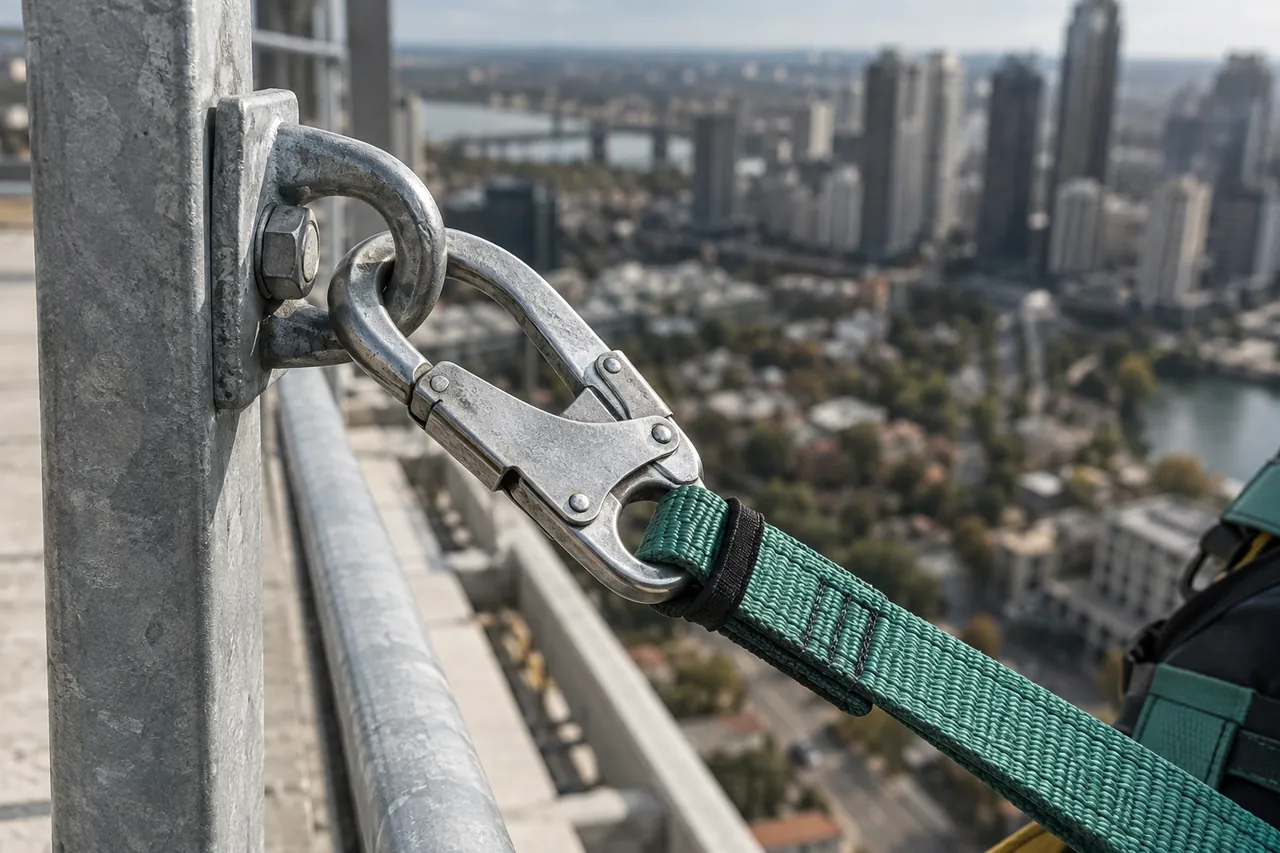
  • Check that harness anchor points exist where the work actually happens. When the anchor is far away, it goes unused.
  • Set staffing rules and routes for heavy loads, and watch for situations where one person ends up carrying alone.
  • Inspect subcontracted work zones by the same standard, and keep joint records with the subcontractor.
  • At the next inspection, verify that the previous findings were actually fixed.

Summary

The 2025 statistics show construction remains the deadliest industry and that fall deaths are moving upward. The work to do now is to combine openings, platforms, anchor points, and heavy-load handling into one inspection list and connect it to completion records. The release and its statistical annex are available from MOEL.

Guide 3 of 4, Korea's Serious Accidents Act: 9 Checks for Sub-50 Workplaces, covers the management-system picture.

Official sources

Author XylolabsPublished
Share

Back to blog