Condition-Based Maintenance: Define the Decision Before Choosing Sensors
Industry Operations Note 2 of 6: condition-based maintenance
The first question in most condition-based maintenance projects is which sensor to buy. The more useful first question is who will make which maintenance decision when a signal changes. Skip it, and data accumulates while the maintenance process stays exactly where it was.
Condition-based maintenance is also not a universal upgrade. Running some assets to failure is a reasonable choice, and scheduled preventive work serves others better. The approach earns its cost only where a change can be observed before failure and can move a real inspection or maintenance decision.
The three strategies are not a maturity ladder
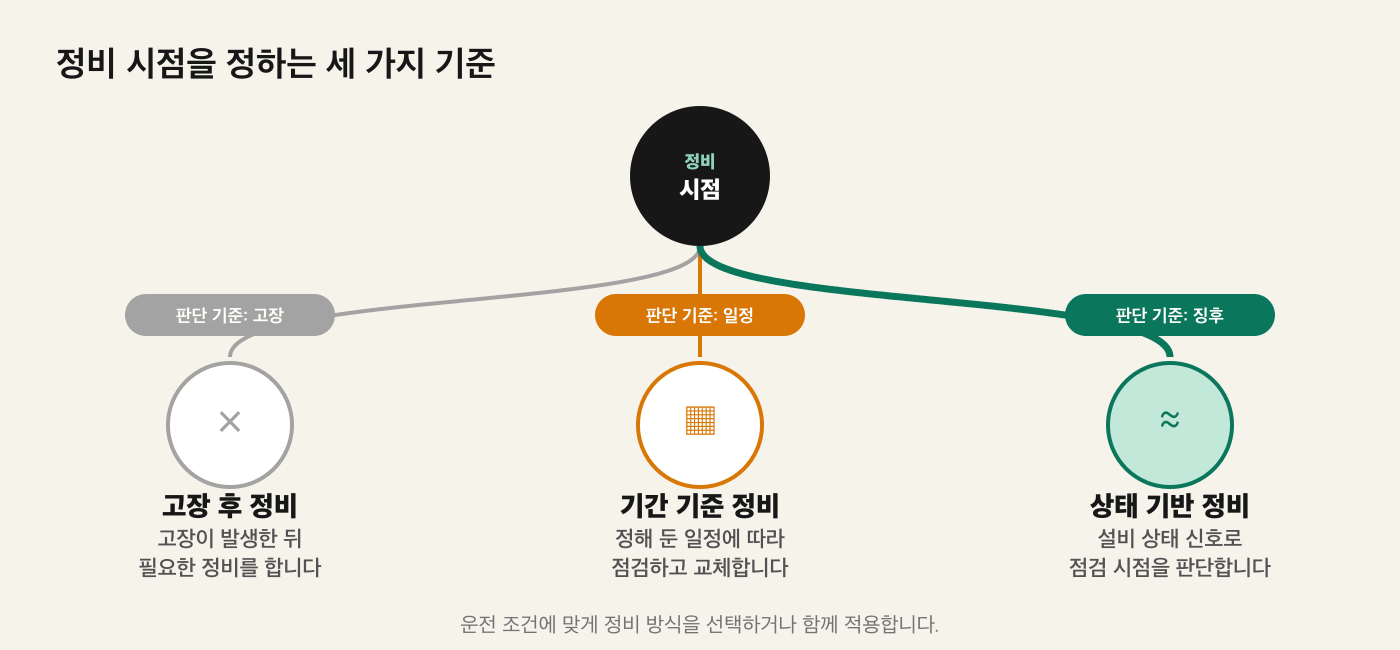
| Maintenance strategy | What starts the decision | Where it can fit |
|---|---|---|
| Run to failure | The failure itself | Assets with limited consequences and straightforward recovery |
| Time-based preventive maintenance | Time, operating history, or a planned interval | Assets with a useful established schedule |
| Condition-based maintenance | A change from the operating baseline | Assets where a precursor can lead to a meaningful inspection |
If a signal cannot be collected reliably, or the team has no practical action after an alert, an established preventive schedule may remain the better choice. Most plants end up with a mix, set by asset importance, failure consequences, and maintenance capability.

Figure 1. Maintenance strategies differ by the event that starts a decision, not by a universal ranking.
Start from a maintenance question
A good first asset has a clear operating question attached: if its condition changes, will the team move an inspection earlier, stage a particular job, or review whether continued operation is acceptable? Write down the decision that could actually change.
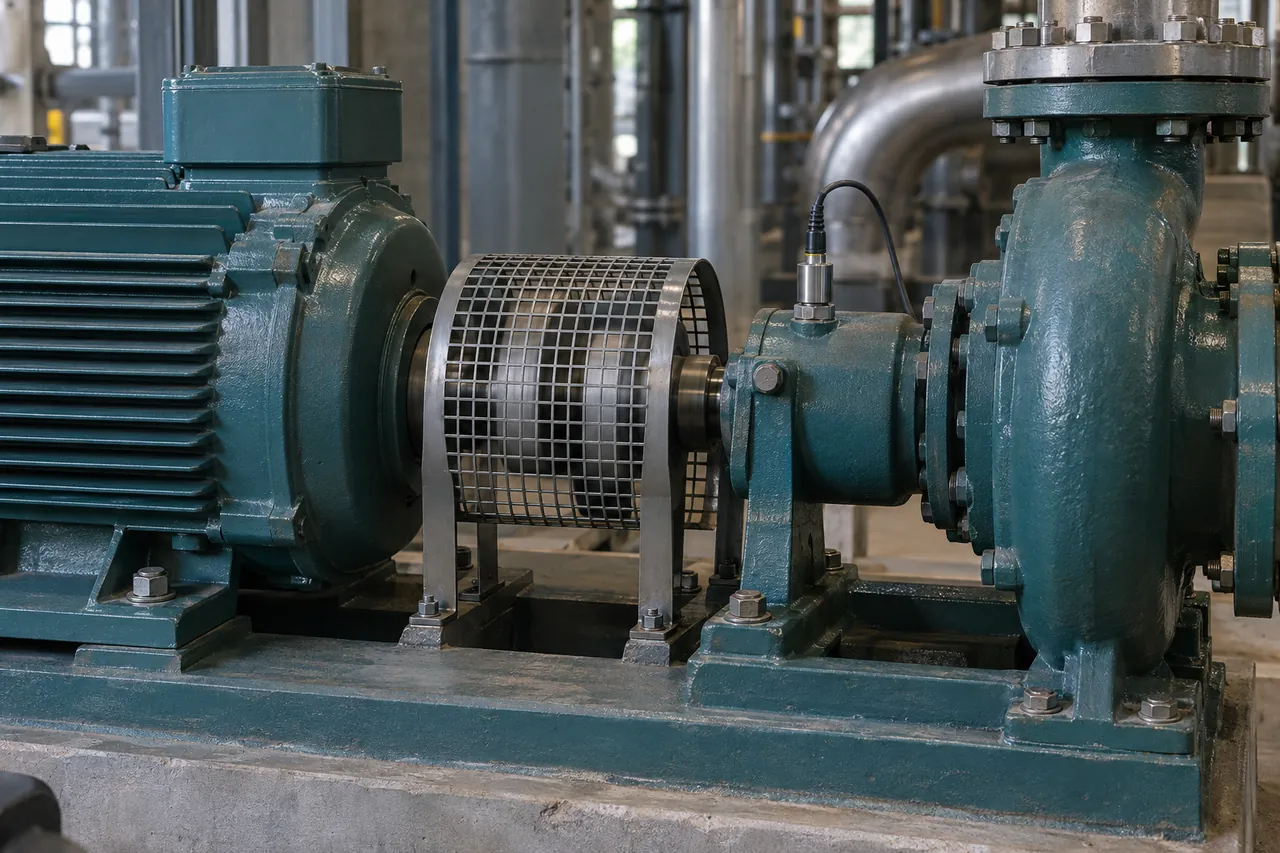
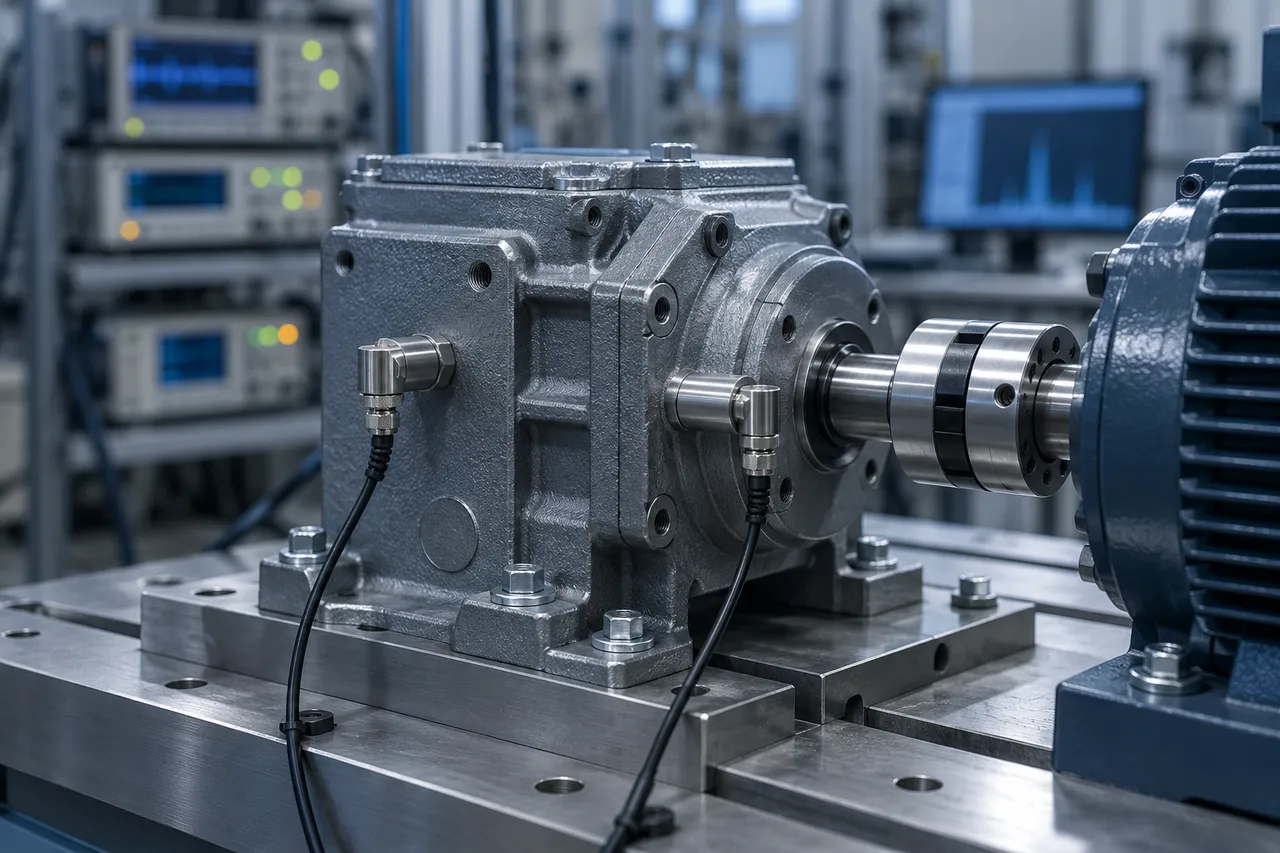
Then pick the signal that supports that decision. Acoustic, vibration, temperature, and electrical data are candidates, not a shopping list. A small set of signals the team can read consistently beats a large set nobody trusts.
The baseline includes operating context
A baseline is not one value labeled normal. The same machine produces different signals under different operating conditions, so store when the data was collected, what the machine was doing, and whether maintenance or process changes had occurred.
Alert criteria should not freeze after the first baseline either. Compare alerts with field findings, record which changes led to useful inspections, and recheck the baseline after a sensor move, a repair, or a material operating change.
An alert must enter the maintenance workflow
An alert that ends at a dashboard has not changed maintenance. Define who reviews it, what opens a field inspection, and where the result lands. Safety-critical stop decisions stay inside the established safety procedure and authority model; they are not delegated to a single sensor alert.
Close the loop by linking the field result back to the signal. Real anomaly, operating change, or false alarm, the record is what refines the alert criteria over time.
For the collection and alerting layer, XyloZero facility monitoring is one option for feeding acoustic, vibration, and environmental data into an existing control setup. The sensor list still comes last. The program stands on the maintenance decision a condition change should trigger, the signal that supports it, and the people who act on the alert.